
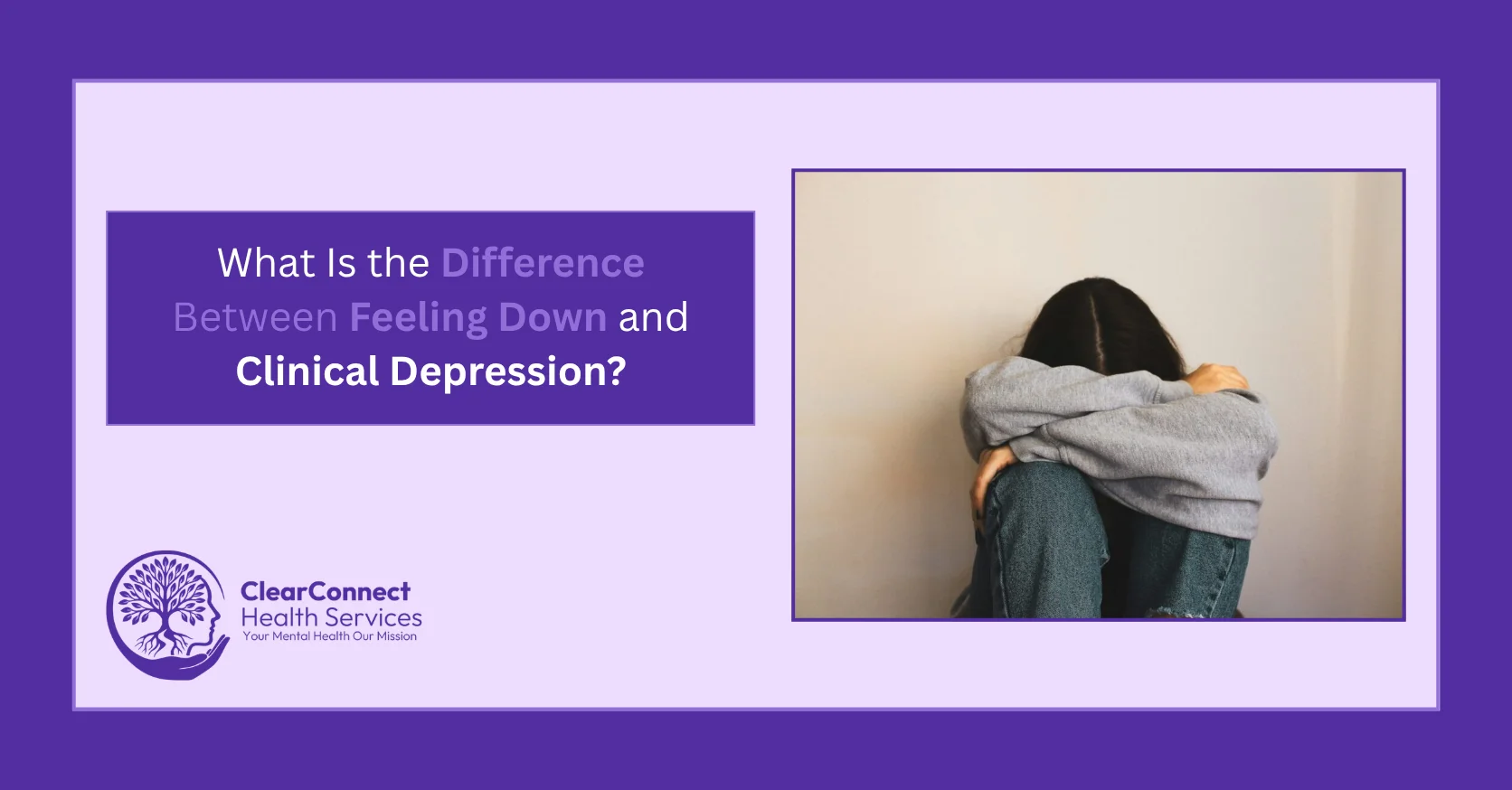
We all go through brutal days that leave us utterly crushed. You fail an exam, lose a job, or fight with a friend. It hurts. That reaction is completely normal, since sorrow is a fundamental part of the human experience. Everyone navigates really ugly, exhausting seasons. But occasionally, that thick gray fog just refuses to clear. It lingers. It hangs right over your head for several consecutive weeks. Finding the energy to kick the blankets off and actually stand up becomes a colossal chore. You feel empty (a truly absolute, silent void). People often claim they are depressed when they merely survived a terrible week. True clinical depression is something else entirely, it requires much more serious medical attention immediately.
What It Means to Feel Down
Sadness happens to every single person as a perfectly healthy reaction to pain. When you feel low, you usually know the exact reason why. You probably survived a highly chaotic week at the office or heard awful news. Your misery perfectly aligns with the event. Bit by bit, the deep emotional hurt eases. It’s okay to cry or reach out to a good friend and talk about what’s bothering you. A few days later, you find yourself smiling again. Life inevitably carries on. You resume commuting to work and keeping your home tidy. This clearly proves that standard sadness is just a temporary bump in the road.
What Is Clinical Depression?
Depression is radically different because it is a fully diagnosed medical condition. Physicians classify it as Major Depressive Disorder. It ruins everything. The NIH says clinical depression changes the way you think and act, covering your life with a cold, heavy numbness. Reason disappears. You might not have one valid excuse to feel so broken. Your life could be absolutely stunning, yet that crushing weight remains anchored directly on your chest. Crucially, depression (unlike temporary grief) never actually needs a bad event to strike. It is deeply wired into complex brain chemistry and your family genetics. This makes it a genuine physical illness requiring expert medical treatment.
How Daily Life Changes
Feeling down rarely breaks your normal routine. You take a quick wash, brush your teeth and head out to get groceries.
Clinical depression changes everything, making even small tasks feel like major struggles. A simple shower? Impossible. Suddenly, answering a text from a buddy feels like agonizing, brutal hard work. Before long, you start missing important days at your job.
Depression entirely drains your mental battery. It then physically alters the specific ways your tired brain manages to process those quiet, everyday routine tasks you once found so easy.
The Biggest Differences Between Sadness and Depression
Separating them requires careful observation, so memorize these very specific red flags.
- Time: Sadness strikes and recedes quite easily. Depression, an insidious anchor, pulls you under for most of the day, continuing endlessly for two absolutely full, miserable weeks.
- Reason: Ordinary sorrow constantly demands a logical source. True depression blindsides you out of absolutely nowhere, arriving without warning or trigger.
- Joy: While simply sad, you might genuinely appreciate a good song. With severe, clinical depression, every beautiful thing loses meaning entirely. This strong lack of motivation feels like adult ADHD. That’s why it’s very important to get the right medical advice for your safety.
- Self-Worth: Typical sadness rarely damages your core identity. Depression maliciously introduces crippling self-hatred, often making you feel utterly broken and completely beyond repair.
- Focus: A bad mood can briefly derail your train of thought. Depression, though, can completely wreck your ability to focus or finish even the simplest daily tasks.
Physical Signs of Clinical Depression
Depression harms much more than your brain. It demands a truly devastating toll on your physical anatomy too. You should persistently track your body for these recognizable shifts:
- Undergoing massive changes in typical sleeping routines, like snoozing all weekend or staring blankly into pitch darkness.
- Gorging constantly on terrible junk food for soothing relief or ignoring dinner plates altogether.
- Feeling profoundly sluggish and intensely weary even after resting comfortably for a full evening.
- Navigating life with a freakishly heavy and remarkably leaden feeling inside your limbs.
- Battling sudden phantom backaches, sharp stomach pains, or gut issues completely untouched by standard, typical over-the-counter medicine.
Why You Need a Professional Evaluation
You do not need to sit alone playing painful guessing games with your brain today. A licensed medical doctor can help you navigate this storm safely. Getting a real evaluation is absolutely the smartest move to plot your next steps toward recovery. An expert asks probing, detailed questions, closely covering your mood swings, your restless sleep and your messy home life. They examine the entire board to spot precisely what is misfiring inside your body. Someone who is hurting might have deep depression, or they could be wrestling a massive anxiety spike instead. You simply cannot know without a professional reviewing your symptoms (which are unique to you). The CDC strictly emphasizes that proper therapy and the right medication help almost everyone bounce back.
Steps to Take Right Now
If you think you might have clinical depression, you need to take action today.
- Talk to someone you fully trust about the dark feelings you are experiencing.
- Write down your physical symptoms in a notebook and note exactly how long they have lasted.
- Call a local health clinic to set up a quick and confidential mental health screening.
- Keep up with basic daily self-care routines, like drinking enough water and eating healthy snacks.
- Take small walks outside around your neighborhood to get some fresh air and healing sunlight.
- Be exceptionally kind to yourself and remember that this is a real medical illness.
Seeking help takes guts, revealing immense inner strength. You deserve your normal life back. Nobody should ever walk this brutal path alone.
FAQs
Q. Does depression change how a person eats?
Yes. Some people eat way too much junk food. Others stop eating their meals completely.
Q. Is depression just in the mind?
No. It is a physical illness. It can cause body aches and stomach issues that do not go away.
Get Clarity About Your Symptoms
If emotional overwhelm, impulsivity, attention difficulties, anxiety, or difficulty managing stress affects daily life, understanding the underlying cause is an important first step. ClearConnect Health Services provides psychiatric evaluations and individualized treatment for adults experiencing ADHD symptoms, anxiety, depression, mood concerns, and other psychiatric conditions.
Call or Text: (540) 779-8166
Schedule Your Appointment Today
Helping You Feel Like Yourself Again.
No comment