
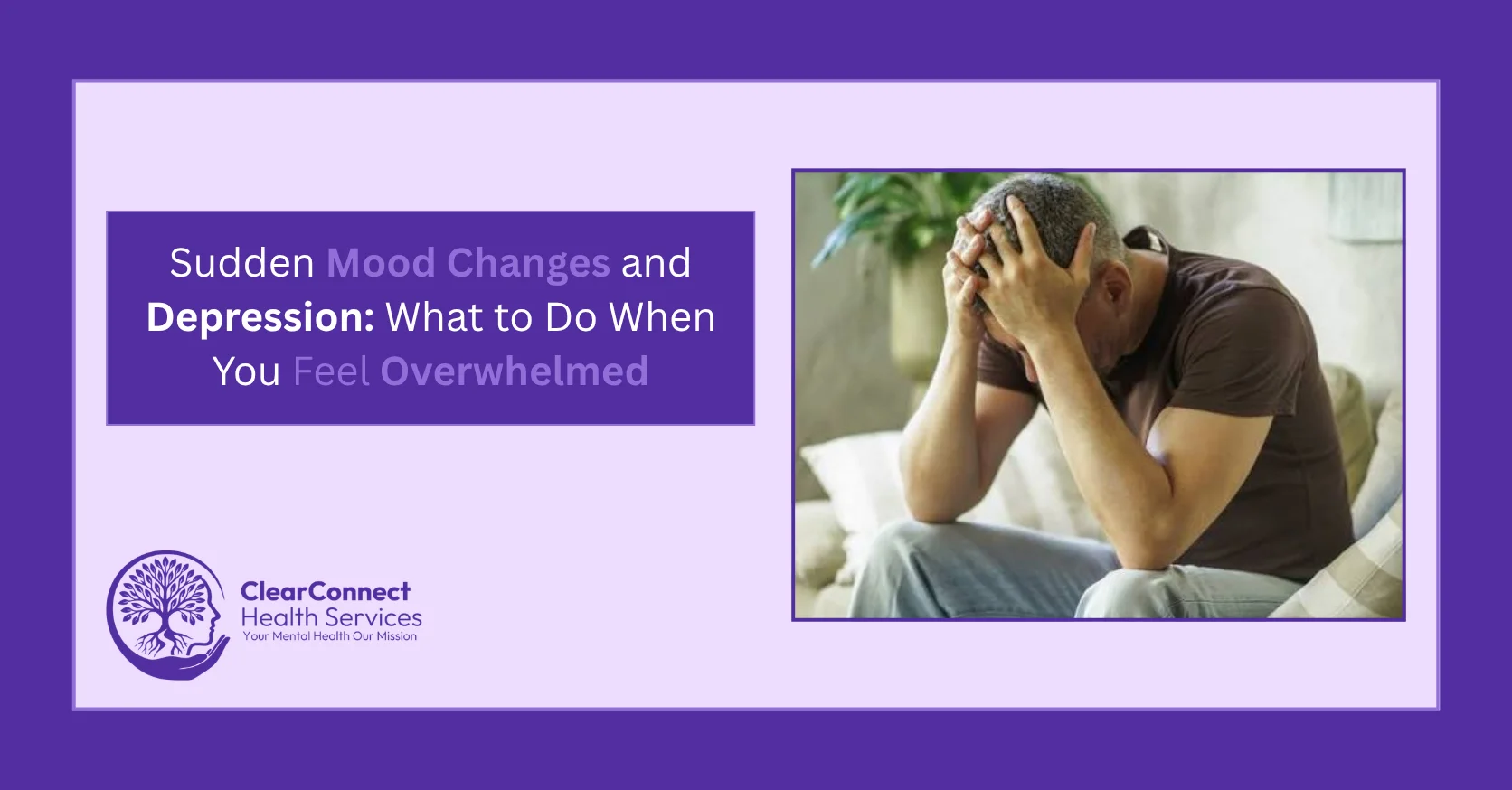
Some days, you may feel motivated, productive, and emotionally balanced. On other days, even ordinary responsibilities can feel difficult to manage. You might notice a drop in energy, increased sadness, difficulty concentrating, irritability, or less interest in activities you usually enjoy.
Some people describe this as a “depressive crash.” Although this is not a formal psychiatric diagnosis, it may describe a period of worsening depressive symptoms or a noticeable decline in mood and daily functioning. Mood changes can also have other explanations, including anxiety, stress, sleep difficulties, medication changes, or medical conditions.
What Is a “Depressive Crash”?
The phrase is sometimes used informally to describe a noticeable decline in mood, motivation, or energy. Possible experiences include:
- Low mood or persistent sadness
- Reduced interest or enjoyment
- Fatigue or low motivation
- Difficulty concentrating
- Changes in sleep or appetite
- Irritability or feeling overwhelmed
- Difficulty keeping up with everyday tasks
- Withdrawing from social activities
A difficult day does not necessarily mean someone has a depressive disorder. Diagnosis requires considering the pattern, duration, severity, and effect of symptoms. A professional evaluation can help clarify what is happening.
What Can Contribute to Sudden Changes in Mood?
Sleep disturbances
Insufficient or poor-quality sleep can affect emotional regulation, energy, concentration, and stress tolerance. Sleep problems can also be symptoms of depression or another condition.
Ongoing stress
Work pressures, family responsibilities, relationship concerns, and major changes may contribute to emotional distress or worsening mood.
Changes in routine
Disruptions in sleep, activity, or daily schedules can affect how someone feels, but they do not necessarily explain a depressive episode.
Mental health conditions
Depression, anxiety disorders, bipolar disorder, and trauma-related conditions may involve changes in mood, energy, or functioning. A history of unusually elevated or irritable mood is particularly important to discuss during evaluation.
Medication and medical factors
Medication effects or changes, thyroid problems, sleep disorders, and other medical conditions can sometimes contribute to mood symptoms.
Supportive Steps During a Difficult Period
Small, manageable actions may support well-being, but they are not a substitute for professional treatment when symptoms are persistent, severe, or worsening.
Maintain a simple routine
Try to keep reasonably consistent sleep, meal, and daily activity schedules when possible.
Prioritize rest
Make time for adequate sleep. If sleep problems persist, discuss them with a healthcare professional.
Break tasks into smaller steps
Choose manageable priorities rather than expecting yourself to complete everything at once.
Stay connected
Consider checking in with a trusted friend, family member, or supportive person.
Consider gentle activity
If appropriate for your health, a short walk, stretching, or time outdoors may support general well-being.
Notice symptom patterns
Record when symptoms began, how long they last, and whether they coincide with changes in stress, sleep, or medications.
When Should You Seek Professional Help?
Consider a mental health evaluation if symptoms persist, recur, worsen, or interfere with work, relationships, sleep, or daily responsibilities. Changes in mood accompanied by major shifts in energy, sleep, or behavior also deserve assessment.
If there is an immediate safety concern or psychiatric emergency, seek emergency care rather than waiting for a routine outpatient appointment.
Why Diagnostic Clarity Matters
Low motivation, fatigue, poor concentration, and sleep changes can occur with several conditions. Depressive symptoms can also occur in both major depressive disorder and bipolar disorder, for which treatment considerations may differ. A comprehensive evaluation reviews symptoms, history, functioning, and other contributing factors before developing a plan.
How ClearConnect Health Services Can Help
At ClearConnect Health Services, our psychiatric providers focus on understanding the full picture rather than assuming that a sudden mood change has one specific cause. Evaluation may include current symptoms, prior mood episodes, sleep, anxiety, attention, medical and psychiatric history, medication use, and everyday functioning.
Depending on individual needs, care may include:
- Comprehensive psychiatric evaluation and diagnostic clarification
- Individualized treatment planning
- Medication management when clinically appropriate
- Ongoing psychiatric follow-up
- Psychoeducation and coordination with therapists or other healthcare professionals when appropriate
ClearConnect offers secure telehealth psychiatric care across Virginia and in-person appointments in the Fredericksburg area when appropriate.
Frequently Asked Questions
What is a depressive crash?
It is an informal phrase for a noticeable decline in mood, energy, motivation, or functioning. It is not a formal psychiatric diagnosis.
Can depressive symptoms worsen suddenly?
Some people notice a relatively rapid worsening of symptoms. However, mood changes have several possible causes and may require evaluation.
Can poor sleep affect mood?
Yes. Sleep disturbances can affect energy, concentration, and emotional regulation, and may also occur alongside psychiatric or medical conditions.
Can ADHD and depression have similar symptoms?
Both can involve concentration difficulties and problems completing tasks. They are distinct conditions, and a careful assessment helps distinguish them.
Can medication help depressive symptoms?
Medication may be appropriate for some people, depending on diagnosis, symptoms, medical history, and individual treatment considerations.
Take the Next Step
If low mood, fatigue, difficulty concentrating, or reduced motivation is affecting your daily life, a comprehensive evaluation can help identify possible contributing factors and appropriate next steps.
ClearConnect Health Services | Call or Text: (540) 779-8166
Schedule Your Appointment Today
Your Mental Health, Our Mission.
No comment